Etched in Granite: The Origins of Eugillius Maximus Records - Our Story
The legend of Eugillius Maximus Records isn’t a story of big-city lights or corporate boardrooms. It is a story of granite, ice, and a man who believed the Canadian Shield was the world's greatest natural amplifier.

The Origin: Born of the North Channel (1982)
In 1982, during an unusual late spring blizzard that cut off the ferry to the mainland and closed the swing bridge, Eugillius Maximus was born on a nameless, jagged islet tucked behind the north shore of Manitoulin Island.
While other children were raised on television, Eugillius was raised on the "Northern Symphony." His ears were tuned to the grinding of shelf ice against limestone and the low-frequency hum of the wind whipping through the cedars. By the age of ten, he claimed he could hear the difference between a wave hitting quartz versus a wave hitting limestone.

The "Digital Great Hunger"
As a teenager in the late 90s, Eugillius watched the world succumb to the MP3. From his remote outpost, he saw music being stripped of its "meat” and compressed into tiny, soulless files that fit on a plastic stick.
Legend says that in 2002, after trying to listen to a low-bitrate rip of a jazz legend on a dial-up connection, Eugillius threw his computer into the North Channel and vowed to restore "The Weight." He didn't want music you could carry in your pocket; he wanted music that could crush a house.
"If the bass doesn't make the lake trout move to deeper water," Eugillius once muttered, "it isn't music. It's just static."


The Vault in the Rock
Eugillius spent the next decade scavenging. He didn't look for gold; he looked for copper—miles of it. He bought up every discarded vacuum tube from the old pulp mills and every heavy-duty transformer from the decommissioned radar stations of the North.
He returned to his birth-island and began the Great Excavation. Using a combination of hand-tools and stubbornness, he carved a recording chamber directly into the Precambrian rock. He called it The Lithic Chamber.
Because the island was composed of ancient, dense stone and surrounded by the dampening effect of the Great Lakes' cold water, the room had a natural reverb that lasted exactly 4.2 seconds—a sound he called "The Immortal Decay."
The Founding of the Label (2012)
Eugillius Maximus Records (EMR) was officially incorporated on the island in 2012. The label refused to use internet distribution, choosing instead to ship records via mail-boat, until recently.
The label’s signature sound—The Maximus Press—became an obsession for audiophiles. To achieve it, Eugillius developed a set of uncompromising standards rooted in his Northern upbringing:
The "Maximus" Reason
Glacial Mastering: The master tapes must be aged in a temperature-controlled cellar below the frost line for one full winter.

The 2-Ton Lathe: The record-cutting lathe is anchored directly into the island's bedrock to prevent "planetary jitter."
No Silicon: No transistors or microchips are allowed within 500 feet of the recording head.
Limestone Flour: A microscopic amount of Manitoulin limestone is infused into the vinyl for "stony clarity."
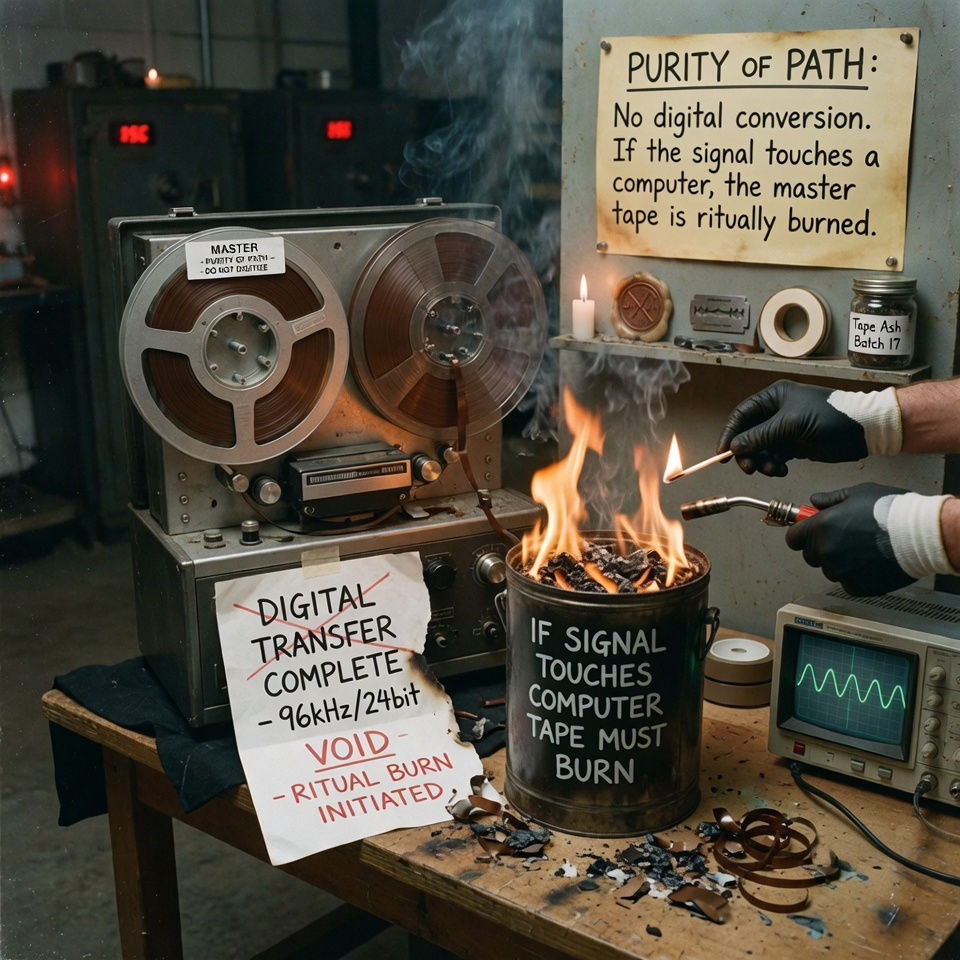
Purity of Path: No digital conversion. If the signal touches a computer, the master tape is ritually burned.
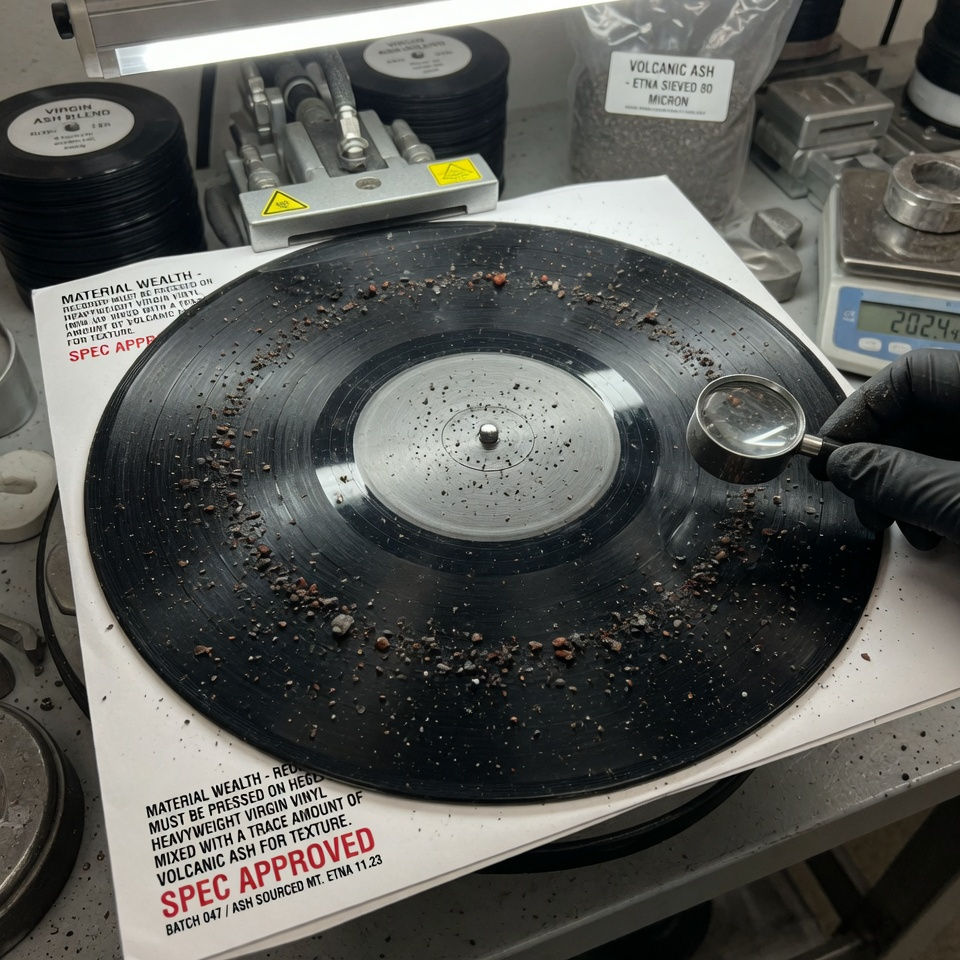
Material Wealth: Records must be pressed on "Heavyweight Virgin Vinyl" (min. 200g) mixed with a trace amount of volcanic ash for "texture."
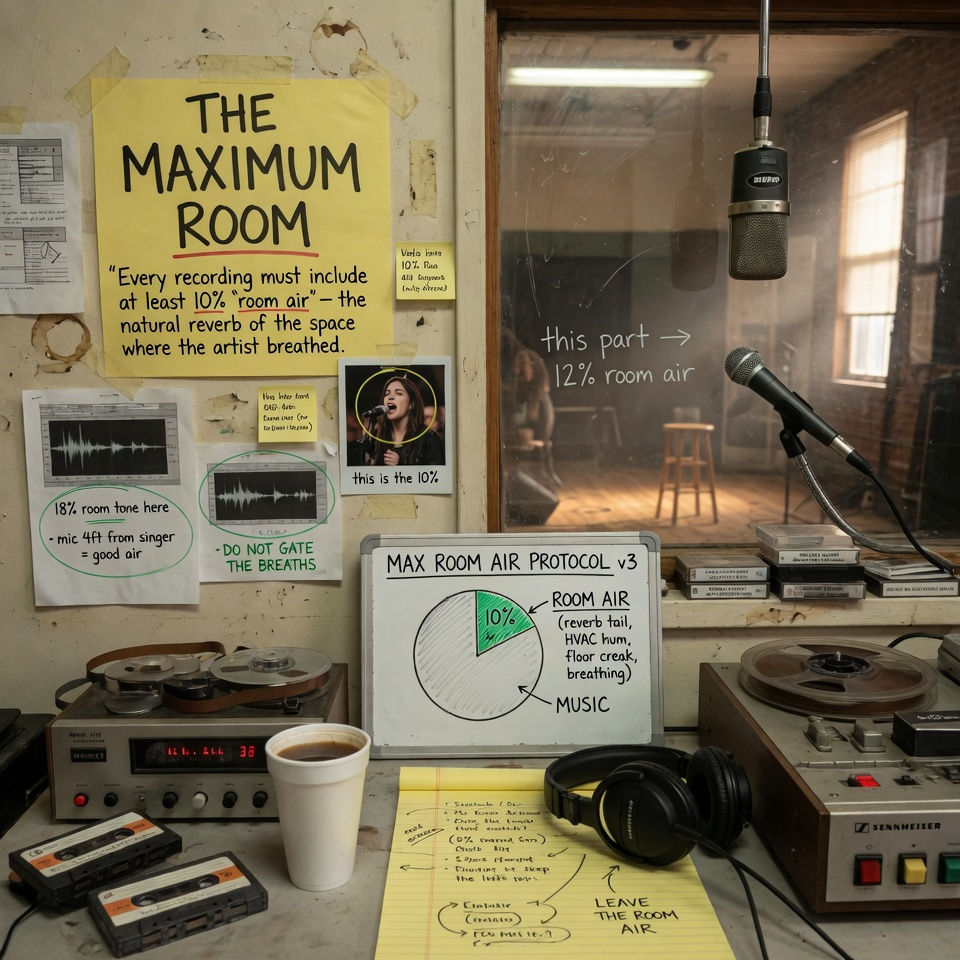
The Maximum Room: Every recording must include at least 10% "room air"—the natural reverb of the space where the artist breathed.


The Modern Myth: A Cult Classic
Today, Eugillius Maximus Records operates out of a fortified warehouse in an undisclosed location.
Before this website, they had a mailing list written on parchment. They don't sign "acts"; they invite "Acoustic Pilgrims" to record.
Eugillius Maximus remains a ghost of the North Shore. He is rarely seen, except perhaps by local fishermen who report seeing a tall, bearded man standing on the rocks, holding a 20-foot parabolic microphone toward the horizon during a gale.
EMR doesn't advertise. They don't have "followers." They have "The Resonated." Every year, they release only three albums. To get one previously, one would have to send a handwritten letter to a P.O. Box in Little Current and wait for the ice to melt.
Luckily, you can now get them >>HERE<<
If you are interested in hearing the story of why Eugillius finally embraced the digital age, head over >>Here<<


The label stands as a monument to a man born on the edge of the world, who decided that if the world was going to go quiet and thin, he would stay loud, heavy, and permanently grounded in the rock.
While Eugillius himself hasn't been seen in public since the Great Analog Shortage of 1999, his legacy lives on in every crackle, every warm mid-range, and every gold-foil-stamped sleeve that bears the Maximus crest. To own an EMR press is to own a piece of a man who looked at the digital revolution and simply said, "Too thin."
The Manor: A Hand-Built Sonic Fortress
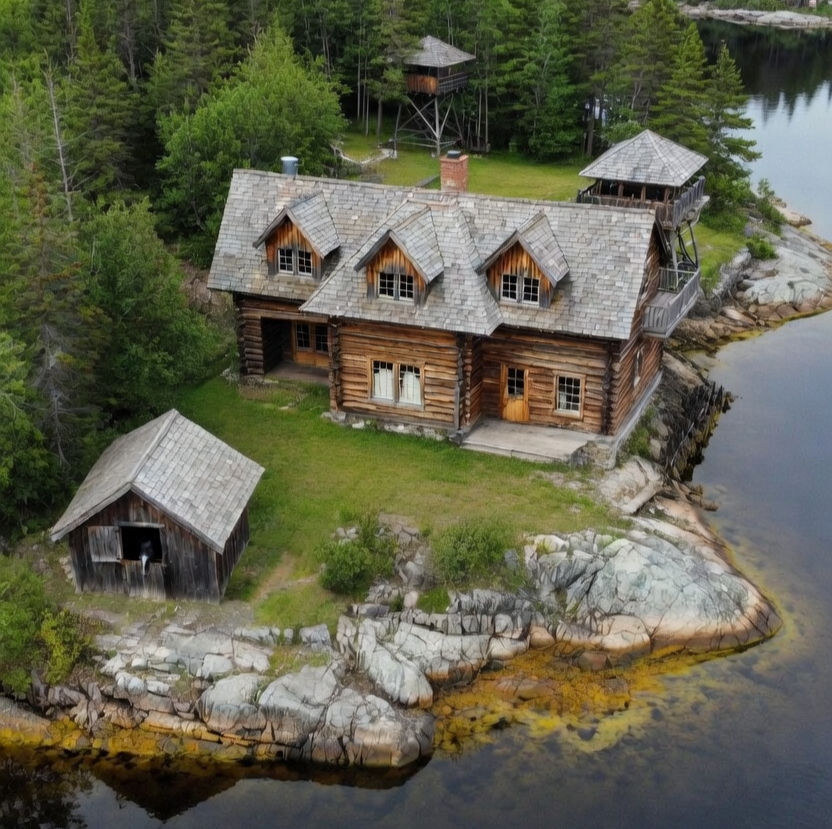
While the world connected digitally, Eugillius disconnected physically. The fortress he built to protect the EMR legacy, Eugillius Maximus Manor sometimes referred to as 'The Manor on the Channel', is not just a residence; it is a sonic ecosystem constructed with raw grit and self-taught engineering.
Refusing standard contractors or pre-fabricated materials, Eugillius spent five summers peeling and hand-hewing local cedar logs, which are stacked in a triple-interlock pattern to prevent any sympathetic vibration from the massive Northern storms.
The foundation is anchored directly into a rare, dense outcropping of Precambrian shield, providing near-perfect isolation from planetary seismic noise. As seen in the photograph, the manor sits on a small, isolated islet, surrounded by the North Channel's deep, cold water, which acts as a natural dampener for low-frequency rumble.

Every component of the manor has a sonic purpose.
Triple-Interlock Logs were scourged and fitted using hand-tools and old pioneer schematics. This creates a massive, non-resonant mass that absorbs standing waves.

Precambrian Anchor
Foundation drilled and bonded into the bedrock with hand-mixed volcanic mortar.
Zero vibration transfer for the critical cutting lathes.
Casa De Jean-Luc
A smaller outbuilding (left) originally a wood shed and boathouse.
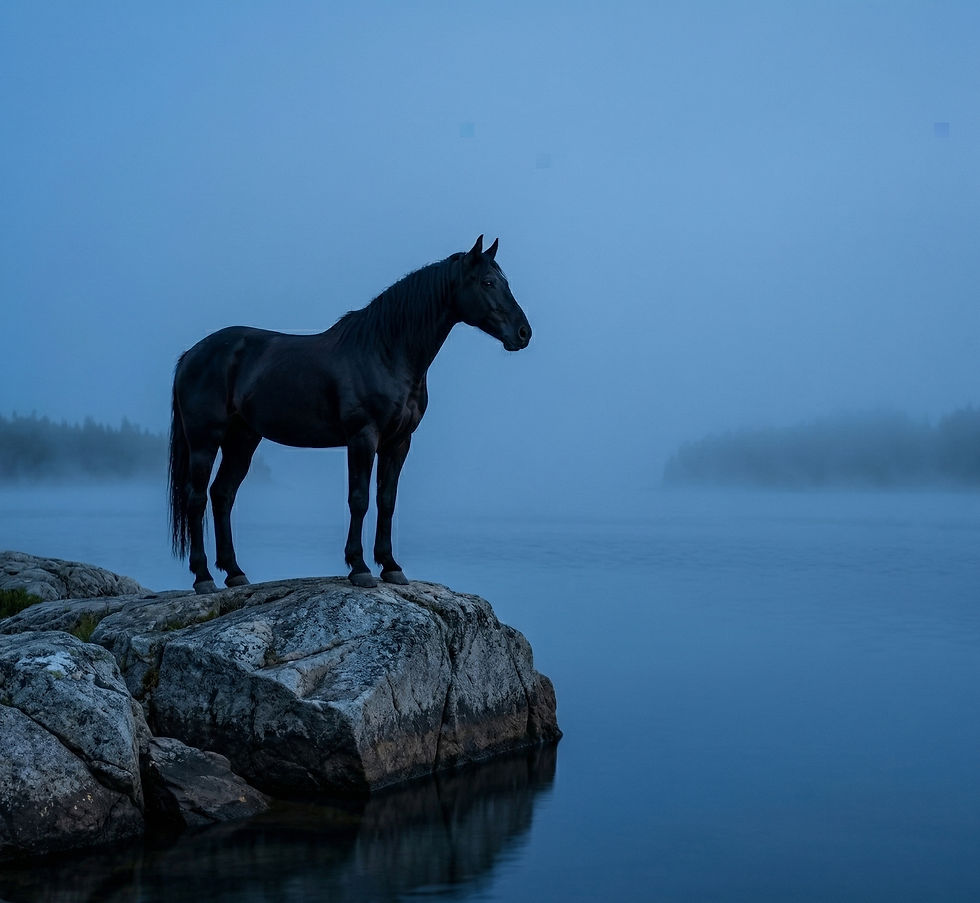
Now the ultimate chill pad for his wild stallion, Jean-Luc, whom he rescued from a bear attack and nursed back to health. This act of kindness produced an unspeakable bond. Jean Luc only responds to “Make it so”, and “Engage”.
If you want to hear about this tale of glorious battle, head on over >>HERE<<
.jpg)
.jpg)

The Limestone Chimney
A central chimney built of local stone, containing hidden acoustic chambers.
A passive, tunable air-core inductor that 'warms' the air of the mastering room.
_edited.jpg)

"They ask me where I studied architecture," Eugillius once said, gesturing to the complex multi-story log structure. "I didn't study it. I felt it. I asked the cedar what it wanted to hear. It wanted to hear silence."
The manor remains the only place on earth where a true Maximus master can be cut, cured, and finally, approved by the silence that Eugillius built with his own two hands.

Meet the Team
.jpg)

Eugillius Maximus
Artist/Producer
Eugene Martin
Cheif Executive Officer
Binoo
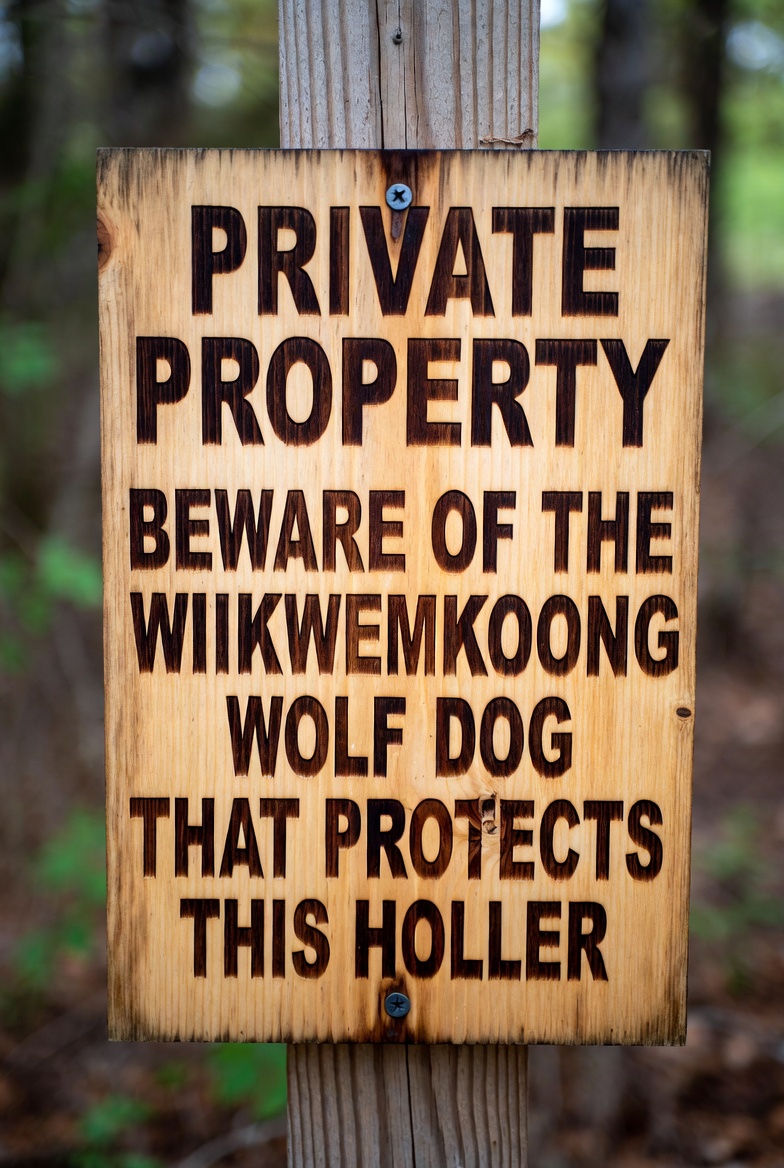
Wikwemikong Wolf Dog (Chief of Security)